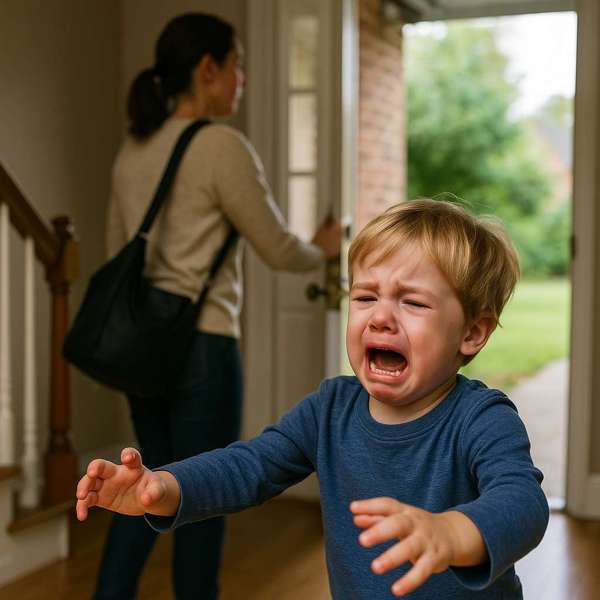
It is most often associated with infants, but adults can experience it too.
Understanding the causes and symptoms of separation anxiety is the first step to managing it effectively.
Understanding Separation Anxiety
Separation anxiety is a condition where a person becomes anxious when apart from someone they depend on.
Typical signs include:
- Crying or panic during separation
- Reluctance to leave home
- Stomachaches when thinking about separation
What Triggers Separation Anxiety
There are many reasons someone may develop separation anxiety.
Possible triggers are:
- Starting school or daycare
- Losing a parent or pet
- Limited social exposure
- Genetic predisposition
Identifying Separation Anxiety
Early detection of separation anxiety can help in creating a supportive environment. more info
Early warning signs may include:
- Difficulty being alone even for short periods
- Fear of losing a parent
- Clinging during bedtime or departures
Managing Separation Anxiety in Children
Supporting children through separation anxiety requires consistent parenting and empathy.
Techniques for easing child anxiety:
- Create a goodbye ritual
- Start with short separations
- Let them play solo at home
- Always inform them before leaving
Tips for Adults Facing It
Adults can also face separation anxiety, especially in relationships, travel, or after loss.
Helpful actions to take:
- Talking to a mental health professional
- Practicing grounding exercises
- Reaching out to friends and family
- Identifying negative thought patterns
When to Seek Professional Help
Professional guidance can offer effective solutions.
Red flags to consider:
- Constant worry about loved ones
- Ongoing panic attacks
- Avoidance of essential tasks
Final Thoughts on Separation Anxiety
With help from loved ones or professionals, people of all ages can learn to feel more secure.
Don’t be afraid to ask for help.